
How Rocky Clark's Legacy Continues to Shape Athlete Safety and Community Advocacy
Learn about Rasul "Rocky" Clark’s inspirational path that has had a lasting influence on the safety of athletes, community awareness, and ongoing support for students who are hurt during athletic competition. Find out what lessons will continue from Rocky’s determination and courage as well as learn why Rocky's journey will be a continuing example of kindness, persistence, and real positive transformation for people all over the world forever.

It wasn’t just about football
Although many people will remember Rocky Clark because of his horrific football injury that caused him to be paralyzed at age 16; his legacy goes way beyond the football field. Rocky’s life has been a true representation of bravery in the face of adversity. Additionally, Rocky showed the world that just one person could create substantial conversation around athlete safety, long-term medical care, and community support.
Rocky’s journey shows that a catastrophic sports injury doesn't stop once the game is over. For many athletes and their families, recovery is a lifelong endeavor that involves not only physical rehab but also emotional support, financial assistance, and strong advocacy. Because of his strength and willingness to share his experiences, Rocky brought these realities out into the open for the general public.
High school athlete with big ambitions
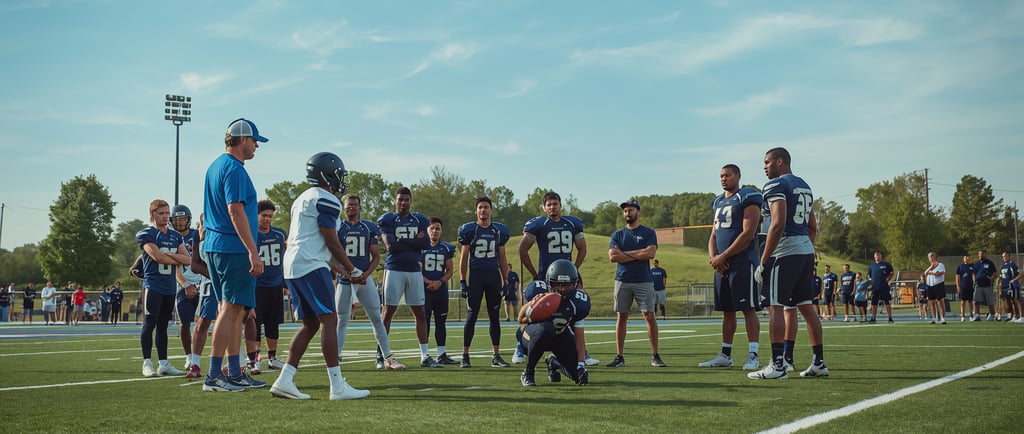
As a young man growing up in Robbins, ill., Rocky clark was viewed as an extremely gifted athlete who enjoyed participating in different sports and enjoying the camaraderie that came along with being involved in his high school's athletics program. Many high school students have a love for each season of football. They enjoy making friends with their fellow teammates, they appreciate the discipline required to perform at your best and the sense of teamwork that comes with competition.
All of those things would soon change forever when Rocky suffered a severe cervical spine injury during a high school football game in September 2000 which left him a quadriplegic. Even though the injury would completely alter the rest of Rocky's life, it would never diminish his spirit nor his drive to help others.
Instead of letting what happened to him determine who he was going to be; Rocky decided to use his optimism to encourage others and find purpose in advocating for others. That same optimism inspired not only his family and teammates but also healthcare workers and community leaders alike.
Turning personal struggles into public advocacy
Over time, Rocky experienced firsthand many of the many obstacles that are associated with a catastrophic injury. In addition to physical disabilities there are continued medical treatments, special equipment needs, home care requirements and financial obligations that can go on for decades.
It was at this point that Rocky realized that like himself other families were struggling through the same kinds of challenges. Therefore, he made a decision to advocate for raising awareness regarding the extended realities of catastrophic sports injuries. To accomplish this goal, Rocky used several mediums such as interviews, community forums, advocacy initiatives and speaking publicly to government representatives and elected officials, to inform others about the need for providing injured athletes with long-term support after media coverage had ended.
Through his advocacy work, Rocky encouraged larger conversations surrounding athlete safety, insurance coverage, accessibility and the responsibility shared by communities in assisting individuals who have suffered catastrophic injuries. Because of his openness in sharing his stories and experiences about these types of topics, Rocky created a platform for others to gain knowledge and hope about their own potential journeys.
Why is athlete safety important?
Every year millions of children engage in competitive team sports. Competitive sports provide many benefits to young people including enhanced physical fitness, increased self-confidence, better leadership abilities, better teamwork abilities and lasting friendships. Every competitive sport includes inherent risks of injury.
Therefore, schools, coaches, athletic trainers, parents and healthcare professionals must collaborate to establish safe environments for young student-athletes. Utilization of proper teaching methods, establishment of emergency protocols, completion of thorough pre-participation medical exams, purchase of adequate protective equipment, completion of continuing education programs for coaches, athletic trainers and healthcare professionals are some ways that schools and other organizations can minimize the number of serious injuries occurring among young athletes.
When serious injuries do occur, families may encounter a multitude of challenges extending beyond the immediate aftermath of the injury itself. Families may require long term rehabilitation services. Equipment may be needed to assist the injured athlete with performing daily activities. Specialized transportation may be necessary. Home modifications may be required. Ongoing medical treatment may be required for a lifetime.
Rocky's story served as a reminder to communities everywhere that support for injured athletes does not end immediately after an accident occurs.
The value of continuing care and support
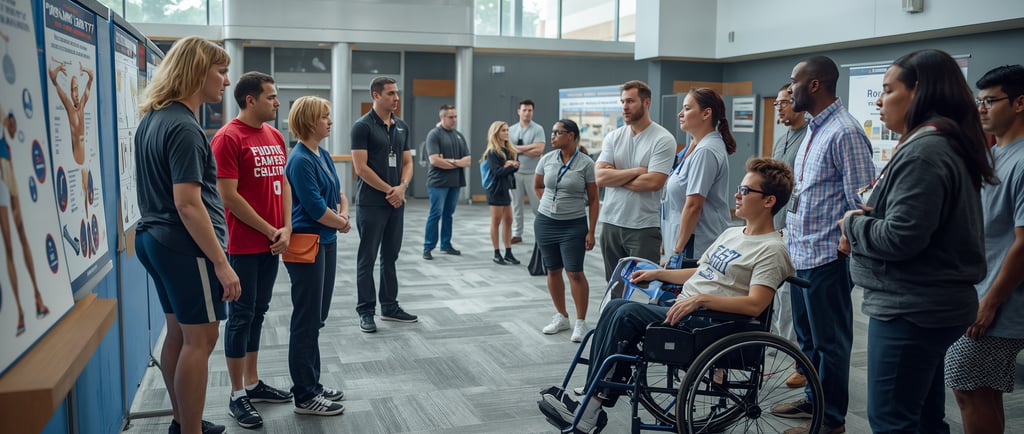
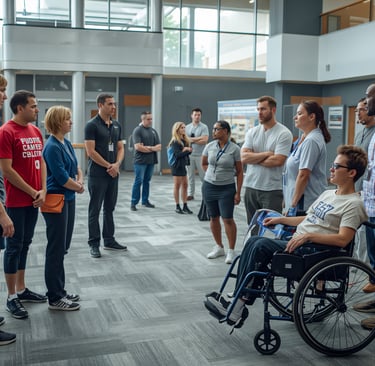
Perhaps the greatest lesson we can take away from Rocky's journey is the great importance placed upon providing continued support and care for individuals living with spinal cord injuries and other catastrophic conditions.
Recovery from an injury is more than just recovering physically. A person's mental state (emotional well-being), mental health, support system (family), educational opportunities available to them, job prospects available to them, and availability of access within their local community all contribute toward an individual's quality of life. Organizations focused on conducting spinal cord injury research and rehabilitation continually stress the importance of comprehensive and continuing long-term care. Often times families benefit greatly from multidisciplinary teams consisting of physicians, nurses, therapists, psychologists, social workers, and rehabilitation specialists who are able to meet changing needs over a period of time.
Organizations working toward improved athlete safety are continually emphasizing that it is important for organizations involved with athletes to create a supportive environment, develop policies and protect the rights of all athletes during each phase of their participation in athletics. The U.S. Olympic Committee offers additional information regarding initiatives focused on promoting athlete well-being and advocating for athlete safety. To obtain this information go to the “Athlete Safety - Key Actions” webpage at the U.S. Olympic Committee website and review its current commitment to athlete safety.